How to Start a Paleta Cart Business: A Step-by-Step Guide
Selling paletas from a cart is one of the simplest food businesses you can start. There’s no kitchen on wheels, no electricity to hook up, and people already love the product. A little planning up front, though, saves you a lot of melted stock later. Here’s how to start, step by step.
1. Decide what you’ll sell and how
Most new vendors start one of two ways:
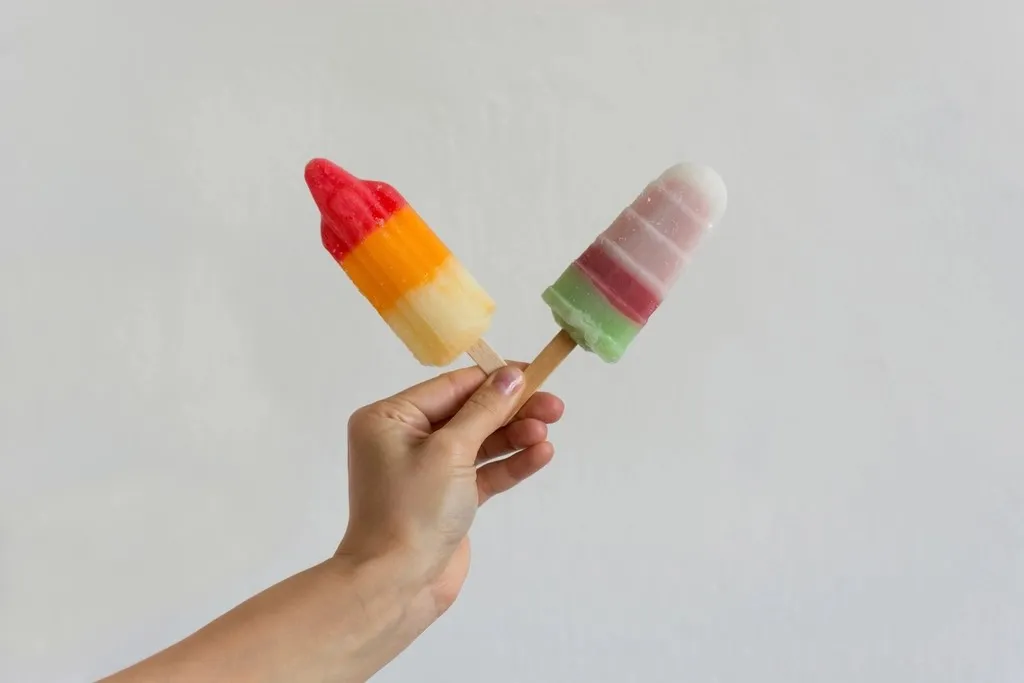
- Buy paletas and resell them. You buy wrapped paletas and ice cream bars from a licensed maker or distributor and sell them from your cart. It’s the quickest way to start, and it keeps your license simple.
- Make your own. Your own recipes can set you apart, but homemade food has strict rules. Ask your health department what kind of kitchen you need before you make a single batch to sell.
Next, decide where you’ll sell. Street vending means parks, sports fields and busy sidewalks, always with permission. Event work means weddings, quinceañeras, birthdays, festivals and company parties, where you’re booked for a set time. Many vendors do both: events on weekends and a regular route during the week.
2. Get licensed
In Texas, the rules changed on July 1, 2026. Mobile food vendors, pushcarts included, now get a single statewide license from the Texas Department of State Health Services (DSHS) instead of a permit from each city. Selling prepackaged ice cream falls under the lowest-risk license type, which has a $309 application fee. Our Texas paleta cart permit guide walks through the license types and steps.
You’ll also want:
- A Texas sales and use tax permit from the Comptroller (it’s free).
- Permission to sell where you set up. That means the property owner’s OK on private land, and the park’s or event’s own rules in public places.
- Liability insurance, which many events and venues ask to see.
Outside Texas, check with your state and local health department. Rules differ from place to place.
3. Choose the right cart
Pick a cart for the way you’ll sell:
- Baby size (up to 50 paletas): parties, indoor venues and pop-ups.
- Small size (up to 200): smaller events and short routes.
- Standard or tall size (up to 400): street vending and busy events. Bicycle tires make long pushes and rough ground easier.
- Glass doors: show off your paletas at events and shops, where people buy what they can see.
Our cart size guide compares dimensions, weight and price, and our price guide explains what changes the cost.
4. Plan how you’ll keep paletas frozen
Paleta carts don’t plug in. They’re insulated boxes kept cold with reusable cold plates or with dry ice. With the cart’s insulation, our cold plates hold the cold for up to 5 to 6 hours, depending on the weather. Dry ice lasts as long as the amount you load, but you buy it for every selling day and have to handle it safely. Our guide to cold plates vs. dry ice covers both.
5. Price your paletas
Start from your costs, not from a guess:
- Cost per paleta. What you pay for each one.
- Daily costs. Dry ice, parking, event fees and gas, divided by how many you expect to sell.
- Your profit. What you want to earn on each one.
For example, and these are made-up numbers, if a paleta costs you $1.25 and your daily costs add $0.50 per paleta, a price of $3.50 leaves you $1.75 per sale. Check what other vendors charge nearby, and keep prices in round amounts so cash sales go quickly.
6. Find places to sell
- Parks and sports fields, with the permits and permission they require
- Farmers markets and weekend markets
- Festivals, fairs and community events
- Weddings, quinceañeras, graduations and corporate events
- Busy businesses, such as car washes or markets, whose owners are glad of the traffic
Keep a regular schedule so customers know where to find you, and post it online.
7. Make your cart easy to spot
- Bells. Customers know the sound. Our set of three chrome bells fits standard carts.
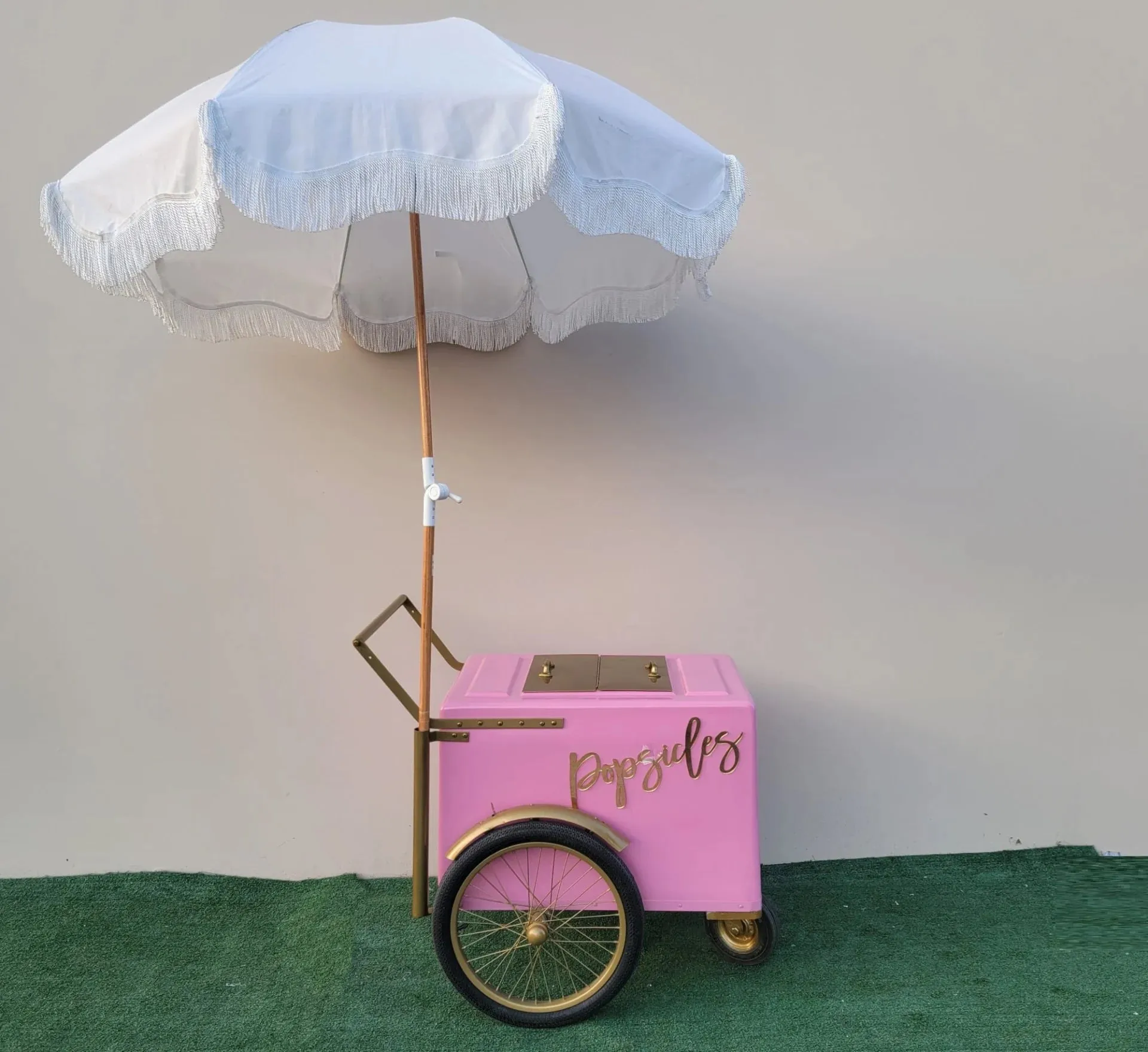
- An umbrella for shade and height, so people see you from across the park.
- Your colors and logo. We can finish a cart to match your brand. Request a quote.
- A clear menu with flavors and prices.
- Social media. Short videos of your cart and flavors do well. See what we post on TikTok.
8. Your startup checklist
- Cart
- Cold plates or a dry ice plan
- State license (and any local permits)
- Sales tax permit
- Liability insurance
- First batch of paletas
- Umbrella, bells and a menu sign
- A place to sell and a schedule
Frequently asked questions
Do I need a license to sell paletas from a cart in Texas?
Yes. Since July 1, 2026, the Texas Department of State Health Services licenses mobile food vendors, including pushcarts, and the license is valid statewide. See our Texas permit guide.
How much does it cost to start a paleta cart business?
The cart is usually the biggest cost: our carts run from $649 for a baby cart to $2,139 for a tall cart with glass doors. Add cold plates or dry ice, license fees, insurance and your first stock of paletas.
Can I sell paletas I make at home?
Rules for homemade food are strict and depend on the product and where you sell, so ask the Texas Department of State Health Services, or your local health department, before you sell paletas you make yourself.
Ready to choose your cart? Browse our popsicle and paleta carts, or contact us with any questions. We’re happy to help you pick the right one.